Get Lawn Dethatching in Roane County, TN
Lawn dethatching services in Roane County, TN, help remove thick thatch buildup, improve grass health, and prepare your yard for better growth by connecting you with experienced local contractors.
Property owners in Roane County, TN, who want to maintain a healthy and attractive lawn often consider dethatching as an important part of yard care. Over time, thatch buildup can hinder grass growth, reduce water absorption, and make lawns more vulnerable to pests and diseases. Exploring professional lawn dethatching services can help ensure that your yard remains lush and vibrant, especially during seasonal changes or after heavy weather events. By planning ahead and comparing local contractors, property owners can find experienced service providers who understand the specific needs of lawns in the Roane County area.
If you're considering lawn dethatching, it’s helpful to evaluate the options available locally to find the right fit for your property. Many service providers in Roane County specialize in yard maintenance and can tailor their approaches to suit different types of grass and soil conditions. Continuing to read can provide insights into how professional dethatching can improve your lawn’s health and appearance, making it easier to compare what local contractors offer and choose the best solution for your outdoor space.
- Lawn Dethatching - needed when a thick layer of thatch accumulates, preventing nutrients and water from reaching the grass roots.
- Grass Recovery - required if your lawn shows signs of thinning, matting, or uneven growth due to compacted thatch.
- Yard Renovation - appropriate when preparing a lawn for reseeding or new landscaping projects in neighborhoods like Oak Ridge or Kingston.
- Soil Aeration Assistance - beneficial when soil becomes compacted, making it difficult for roots to grow effectively.
- Lawn Maintenance - necessary as part of regular upkeep to ensure healthy, lush grass throughout the seasons in Roane County communities.
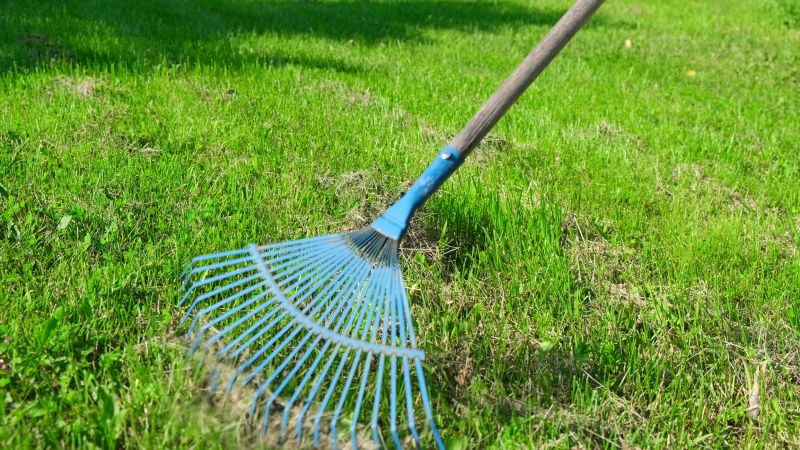
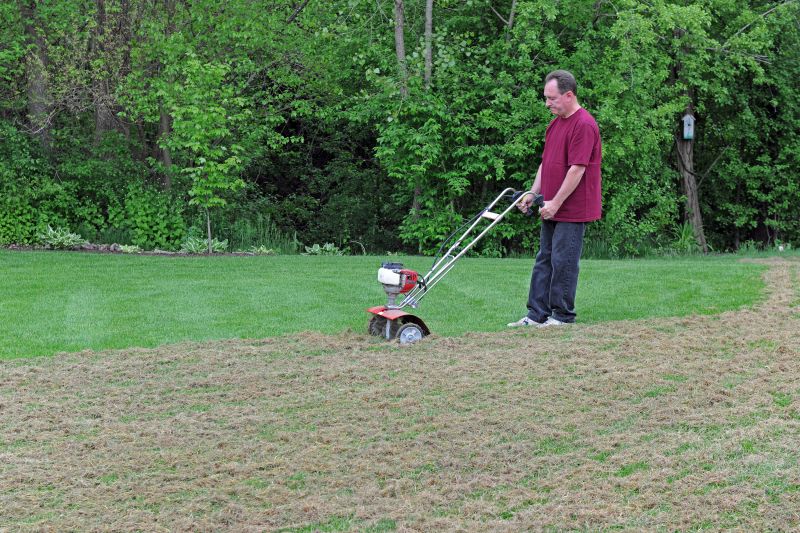
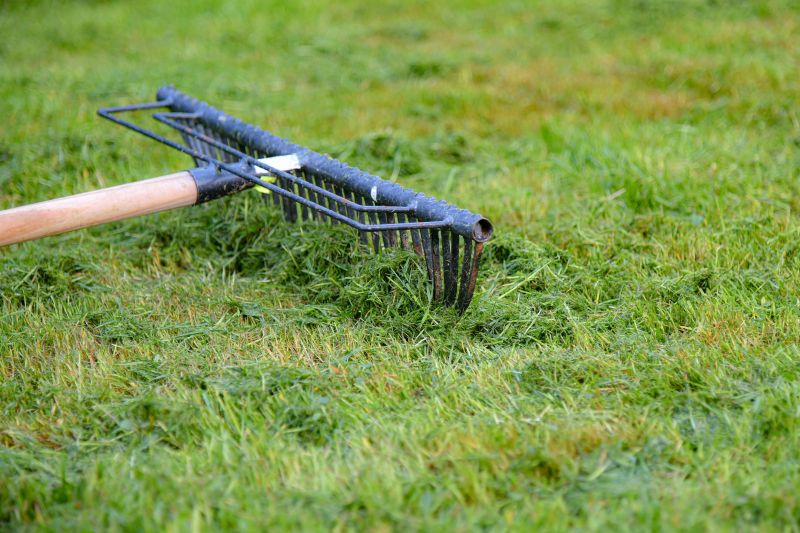
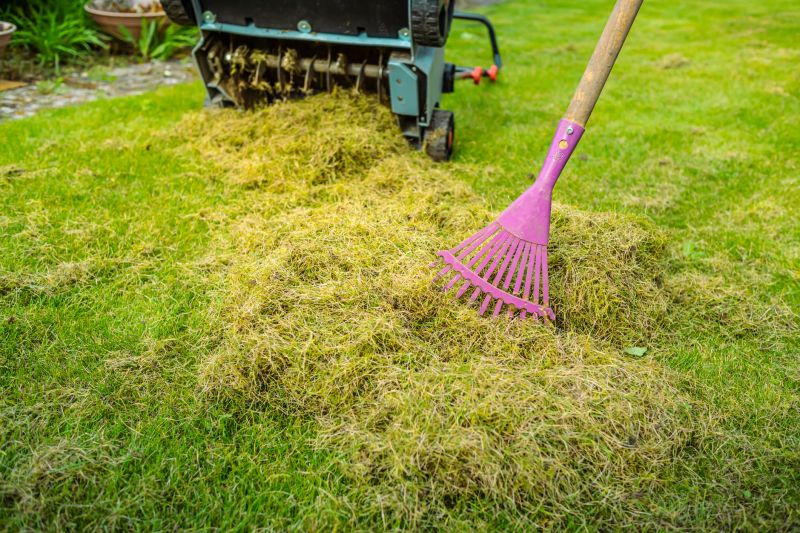
Lawn dethatching services involve removing the thick layer of thatch-a combination of dead grass, roots, and other organic debris-that can build up on a lawn’s surface. Over time, this layer can become dense and prevent water, nutrients, and air from reaching the soil and healthy grass roots. The process typically uses specialized tools or equipment to carefully rake and lift the thatch without damaging the underlying grass. Regular dethatching can help maintain a healthy, lush lawn by promoting better growth conditions and reducing the risk of issues like disease or patchiness.
Dethatching addresses common problems associated with excessive thatch buildup, such as poor drainage, uneven growth, and increased susceptibility to pests and diseases. When thatch becomes too thick-usually more than half an inch-it can hinder the absorption of water and nutrients, leading to a weak or patchy lawn. Removing this layer allows the soil to breathe and improves the effectiveness of fertilization and watering efforts. This service is especially beneficial for lawns that appear dull, spongy, or have standing water after rain, indicating the need for thatch removal.
Properties that often use lawn dethatching services include residential homes with sizable yards, community parks, and commercial properties with extensive landscaping. Lawns that see heavy foot traffic or have been neglected for a while tend to develop thicker thatch layers more quickly. Homeowners who notice their grass struggling to recover after mowing or watering, or who see moss and weeds taking hold, may find dethatching to be an effective step toward revitalizing their outdoor space. Service providers can tailor the dethatching approach to suit different yard sizes and grass types, ensuring the best results.
Understanding when to consider lawn dethatching can help homeowners maintain a healthy and attractive yard. If the grass feels spongy, if there are patches of dead or yellowing grass, or if water pools on the surface after rain, these are signs that thatch may be excessive. Dethatching is most effective when performed during the grass’s active growing season, allowing it to recover quickly. Local contractors are equipped to evaluate the condition of a lawn and recommend the appropriate timing and method for dethatching, helping to restore the lawn’s vitality and improve its overall appearance.
The overview below groups typical Lawn Dethatching projects into broad ranges so you can see how smaller, mid-sized, and larger jobs often compare in Roane County, TN.
In many markets, a large share of routine jobs stays in the lower and middle ranges, while only a smaller percentage of projects moves into the highest bands when the work is more complex or site conditions are harder than average.
Smaller Repairs - For routine dethatching of small to medium lawns, local contractors typically charge between $250 and $600. Many projects fall within this range, especially for lawns under a quarter-acre in size.
Medium-sized Projects - Larger lawns or more extensive dethatching work can cost between $600 and $1,200. These projects are common for residential properties with moderate yard sizes requiring more extensive attention.
Large or Complex Jobs - For extensive or heavily thatched lawns, costs can range from $1,200 to $2,500. Fewer projects reach this tier, often involving multiple visits or additional yard work.
Full Replacement or Commercial Jobs - Larger, more complex projects or commercial lawn dethatching can exceed $5,000, depending on size and scope. These are less common and typically involve significant labor and equipment needs.
Actual totals will depend on details like access to the work area, the scope of the project, and the materials selected, so use these as general starting points rather than exact figures.
Lawn Aeration - local contractors use similar equipment and techniques to improve soil health and promote better grass growth, often alongside dethatching services.
Grass Seeding and Overseeding - these projects involve preparing the soil and planting new grass, which requires planning and tools comparable to lawn dethatching.
Landscape Bed Maintenance - maintaining and preparing landscape beds involves similar planning and equipment to ensure healthy, weed-free areas around lawns.
Soil Testing and Fertilization - assessing soil quality and applying fertilizers requires knowledge of soil conditions and planning akin to dethatching projects.
Tree and Shrub Pruning - pruning involves careful planning and the use of tools to maintain plant health, paralleling the skills used in lawn care services.
Garden Bed Restoration - revitalizing garden areas involves soil preparation and debris removal, similar to the processes used in lawn dethatching.
When comparing service providers for lawn dethatching, it’s important to consider their experience with similar projects. Homeowners should look for local contractors who have a proven track record of handling lawn care tasks comparable to dethatching. An experienced professional will understand the nuances of different grass types, soil conditions, and yard sizes, which can contribute to a more effective and efficient job. Asking about the number of similar projects completed or requesting references can help gauge a contractor’s familiarity with dethatching services in the local area.
Clear and detailed written expectations are essential to ensure everyone is on the same page before work begins. Homeowners should seek out service providers who can provide a comprehensive description of what the project entails, including the scope of work, methods used, and any preparations needed. Having these details in writing helps prevent misunderstandings and ensures that the homeowner’s specific concerns or preferences are addressed. It’s also beneficial to clarify what the contractor will deliver and what the homeowner can expect upon completion.
Reputation and communication are key factors when selecting local contractors for lawn dethatching. Reputable service providers typically have established relationships within the community and can offer references or examples of completed work. Good communication involves responsiveness, clarity, and a willingness to answer questions or discuss concerns throughout the process. Homeowners should prioritize contractors who demonstrate professionalism and transparency, as these qualities often correlate with a positive overall experience. Remember, this site serves as a resource to connect homeowners with trusted local options, not to perform the work directly.
Property owners in Roane County, TN use Lawn Dethatching services for practical projects around their homes and businesses. This guide focuses on everyday jobs and straightforward project options.
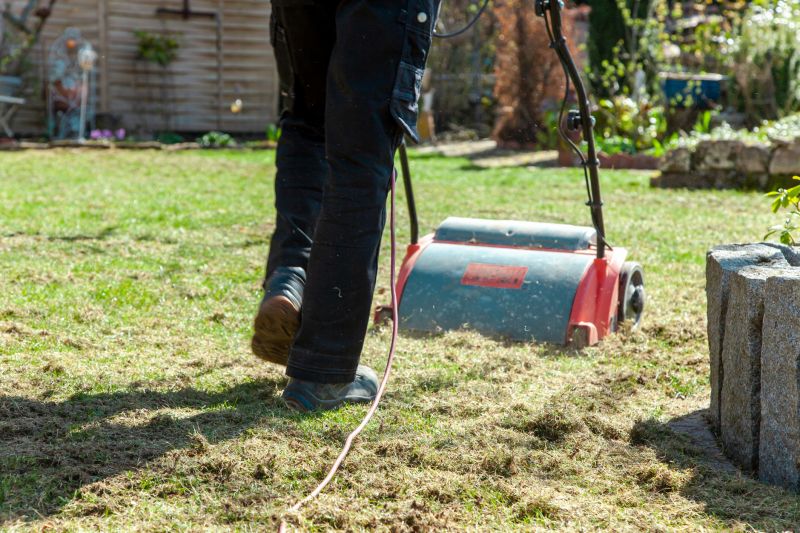
Lawn dethatching services are often needed in Roane County, TN, when property owners notice their lawns appearing thick, spongy, or uneven. Over time, a layer of thatch-composed of dead grass, roots, and other organic matter-can build up between the soil and the grass blades, preventing water, nutrients, and air from reaching the roots properly. This buildup can lead to a less healthy, less vibrant lawn, especially after seasons of heavy growth or drought conditions. Local contractors offer dethatching solutions to help restore the health and appearance of lawns that have become compacted or overgrown with thatch.
Property owners in Roane County may seek dethatching services when their grass begins to struggle despite regular watering and fertilizing. Common signs include a spongy feel underfoot, patchy growth, or lawns that dry out quickly. Dethatching can be a useful step in revitalizing lawns that have experienced heavy foot traffic, overgrown weeds, or seasonal changes that cause thatch to accumulate. Service providers in the area can assess the condition of a lawn and perform dethatching to improve overall turf health, making it easier for the grass to thrive and maintain a lush, even appearance.
What is lawn dethatching? Lawn dethatching is the process of removing excess thatch, a layer of dead grass and roots, to improve lawn health and appearance.
Why should I consider lawn dethatching? Dethatching can help your grass grow better by allowing water, nutrients, and air to reach the soil more effectively.
How do local contractors perform lawn dethatching? Professionals typically use specialized dethatching equipment to carefully remove the thatch layer without damaging the healthy grass.
Is lawn dethatching suitable for all grass types? Dethatching is generally appropriate for most grass types, especially when thatch buildup begins to interfere with lawn growth.
What are signs that my lawn needs dethatching? Signs include a spongy feeling underfoot, a layer of thatch visible on the surface, or areas where grass appears thin and patchy.
Improve Lawn Health - Lawn dethatching helps remove built-up thatch, allowing nutrients and water to reach grass roots more effectively.
Prepare for Seeding or Sodding - Dethatching creates a better surface for new grass to grow, making it easier to establish a lush, even lawn.
Address Thatch Buildup - Regular dethatching prevents excessive thatch accumulation that can suffocate grass and promote pests.
Revitalize Overgrown Lawns - Service providers can help restore the appearance of tired, uneven lawns by removing layers of dead organic matter.
If you are thinking about Lawn Dethatching for a property in Roane County, TN, this guide is meant to help you understand the work, the typical project types, and how different options might fit your plans.
When you are ready, you can use the quote form on this page to share a few details about your project. From there, local pros can review the basics and respond with options that match what you have in mind.